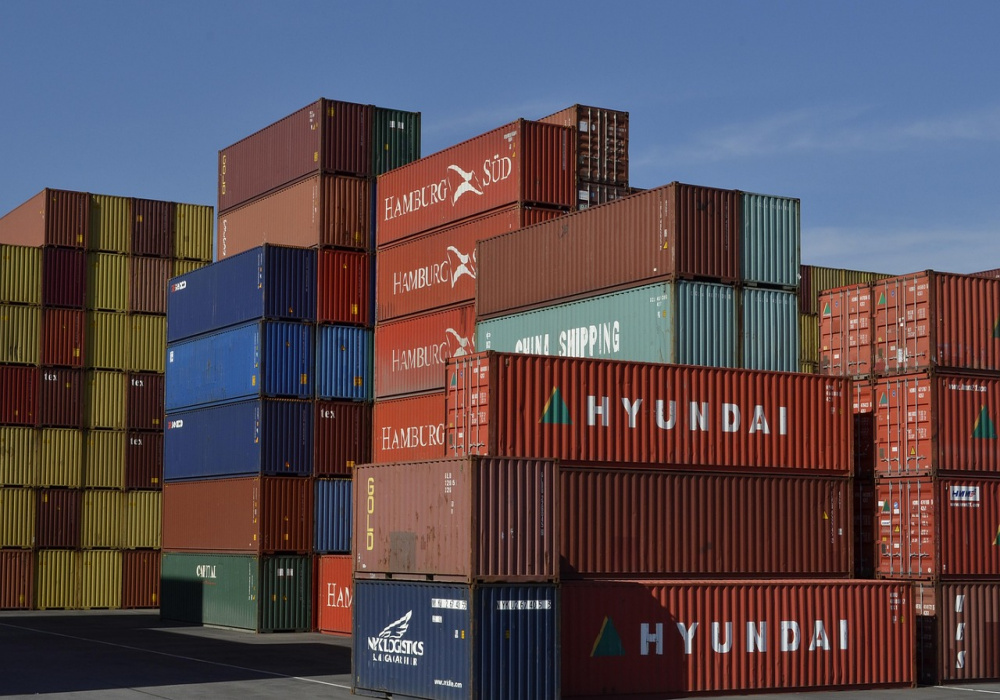
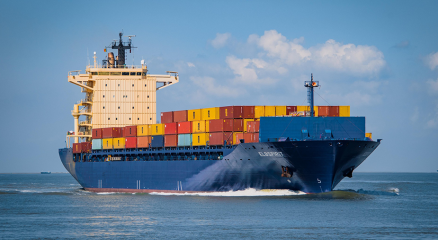
In a situation that escalated into a major logistical crisis, hundreds — possibly over a thousand — trucks carrying India-bound goods were either stranded for long hours or turned away without unloading their cargo at multiple land ports across Bangladesh. The affected border points included Benapole, Burimari, Bhomra, Hili, Akhaura, and Sonamasjid, among others. These trucks had been waiting in queue for clearance, only to face confusion, delays, and in many cases, forced return without explanation. This sudden breakdown in port operations has raised alarms across the trading community.
The economic cost of the disruption has been immediate and severe. Exporters, many of whom operate on tight schedules, reported contracts being delayed, perishable goods nearing spoilage, and logistics costs surging. Small and medium-scale traders are especially vulnerable, with some reporting losses of lakhs of taka per shipment. Freight companies have also decried the lack of information and planning, as they lose revenue on idle transport, incur fuel and labor costs, and face penalties for late deliveries on both sides of the border.
Adding to the chaos is the near-total silence from port and customs authorities. No formal statements were issued to explain the disruption, leading to speculation among drivers, transporters, and business owners. Some unofficial sources attributed the jam to technical faults in the customs software, shortages of port staff, or changes in clearance protocols, but these remain unconfirmed. The lack of transparency has left stakeholders in a state of panic, confusion, and rising anger.
This incident marks yet another challenge in the already fragile Bangladesh-India trade infrastructure, where efficiency and predictability are often compromised by poor coordination. Indian buyers have voiced concerns over the "unreliable nature" of port operations on the Bangladeshi side, while Bangladeshi exporters warn that such delays undermine trust in future trade agreements. With annual bilateral trade worth billions of dollars, stakeholders fear that repetitive disruptions could result in a shift of business to alternative routes or suppliers.
As frustration boils over, national trade bodies such as the Bangladesh Truck-Covered Van Owners Association, and the Exporters’ Association of Bangladesh, have called for immediate government action. Their demands include:
Deployment of emergency clearance teams at border ports
Digitization of customs operations to reduce delays
Creation of a real-time port status monitoring system
Better bilateral coordination mechanisms with Indian port authorities
Investment in modernizing land port infrastructure to handle high volumes efficiently
Without a structured, long-term solution, business leaders warn that this disruption is just a preview of more severe economic consequences to come, particularly as Bangladesh aims to expand its export base and attract more regional trade.
Navigating the Frontier of AI Tools and Automation: Challenges and Importance in Today's World

Demographic Shifts in the United States: A Changing Nation Over Time
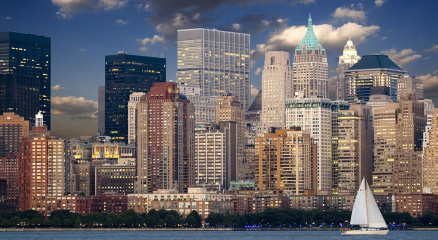
Supreme Court Ruling on Presidential Immunity Sparks Nationwide Debate

Global Stock Markets Mixed Amid Inflation Worries and Earnings Reports

Tensions and Conflict Define Recent Months In the last few months, the global political landscape




The United States has long been known as a nation of immigrants and diversity. Over the last century, significant demographic changes have occurred due to immigration patterns, birth rates, cultural shifts, and changing social values. This report outlines how the racial, regional, religious, and national origin composition of the U.S. population has evolved — and where it’s heading. Table 1: U.S. Population by Race/Ethnicity (1960–2024) Year White (Non-Hispanic) Black Hispanic/Latino Asian Native American Multiracial Other 1960 85% 10.5% 3.5% 0.5% 0.3% — 0.2% 1980 80% 11.5% 6.4% 1.5% 0.6% — 0.3% 2000 69% 12.3% 12.5% 3.6% 0.9% 2.4% 0.3% 2020 59.3% 13.4% 18.5% 5.9% 1.3% 2.8% 0.1% 2024* 57.1% 13.2% 19.1% 6.5% 1.4% 3.1% 0.2% Over the last six decades, the regional distribution of the U.S. population has undergone a substantial transformation. Economic shifts, climate preferences, and immigration patterns have contributed to the steady rise of the South and West as the primary hubs of growth, while the Northeast and Midwest have seen their shares of the national population gradually decline. The United States Census Bureau divides the country into four main regions: Northeast, Midwest, South, and West. Over the past several decades, regional population distribution has shifted significantly due to migration trends, job availability, climate preferences, and immigration. Table 2: Regional Population Distribution (by U.S. Census Regions) Region 1960 1980 2000 2020 2024 (Est.) Northeast 25% 22% 19% 17% 16.5% Midwest 29% 27% 23% 20% 19.7% South 31% 34% 36% 38% 39.2% West 15% 17% 22% 25% 24.6% Key Takeaway: The South and West have seen consistent growth due to warmer climates, job markets, and immigration hubs (e.g., Texas, Florida, California). The religious landscape of the United States has undergone a dramatic transformation over the past 70 years. While the country once identified overwhelmingly as Christian — particularly Protestant — more Americans today are choosing no religious affiliation, a trend that reflects shifting cultural norms, generational change, and growing diversity. Demography by religion Religion 1950 1980 2000 2020 2024 (Est.) Protestant 69% 56% 51% 40% 39% Catholic 25% 27% 24% 21% 20% Jewish 3% 2.5% 2% 1.8% 1.8% Muslim <0.1% 0.5% 1% 1.3% 1.5% Hindu/Buddhist <0.1% 0.5% 1.5% 2% 2.2% Unaffiliated 2% 7% 15% 27% 29% Key Shift: The rise of the “nones” (religiously unaffiliated) is among the most dramatic religious shifts in recent history. Immigration has always been a cornerstone of the American story. But over the past 60 years, the origins of the U.S. foreign-born population have changed dramatically — shifting from a Europe-dominated pattern to one led by Latin America, Asia, and more recently, Africa. These demographic transformations reflect both global trends and U.S. immigration policy reforms. Summary Insights Racial Diversity Growing Rapidly: Non-Hispanic Whites are no longer a supermajority. By 2045, the U.S. is projected to be “minority-majority.” Regional Power Shift: The South and West are economic and population growth engines. Religious Landscape is Secularizing: Protestants and Catholics are declining; the religiously unaffiliated are growing fastest. Immigration Patterns Have Shifted: From European-dominated to Latin American and Asian-majority since 1965’s Immigration and Nationality Act.


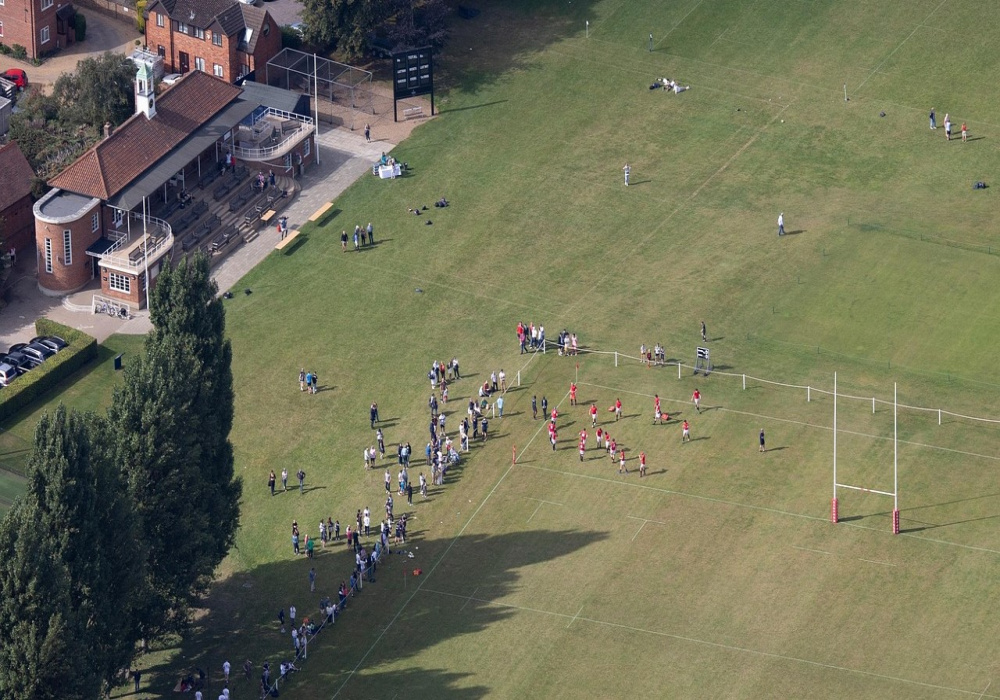
A dramatic wave of realignment is sweeping across collegiate athletics, as major programs abandon long-standing conferences in search of lucrative media deals and expanded playoff opportunities. The Big Ten, SEC, and Big 12 have absorbed schools from coast to coast, leaving once-stable institutions like the Pac-12 fractured. These moves are dissolving historic rivalries and reshaping the identity of college sports, sparking backlash from fans and alumni who lament the loss of tradition for the sake of revenue. Athlete Compensation Enters Legal Crosshairs The fight over athlete compensation has reached new legal heights. Ongoing lawsuits and federal reviews are challenging the NCAA’s amateurism model, with growing momentum behind classifying student-athletes as employees. Courts are also examining whether colleges owe athletes additional protections under labor law. The decisions expected in the coming months could open the door for direct salaries, unionization, and broader benefits, potentially redefining the student-athlete experience. Nzme, Image, and Likeness (NIL) Continues to Evolve The NIL era is maturing rapidly, with student-athletes now securing multi-million-dollar endorsement deals and building personal brands through social media and sponsorships. However, the lack of federal regulation has led to inconsistencies across states and programs, creating confusion and competitive imbalance. Schools are scrambling to develop compliance frameworks, while Congress considers national legislation to bring uniformity to NIL rights and prevent further chaos in collegiate recruiting. Governance Reform Sparks Power Struggles As the NCAA faces mounting criticism over its authority and effectiveness, calls for governance reform are intensifying. Some schools and conferences are pushing for a breakaway model that would grant elite programs more autonomy. Others advocate for a decentralized system with regional control and athlete representation. The ongoing debates reflect deeper tensions about who controls college sports—and whether the current system can survive the era of big business and player empowerment. The Future: Toward a Professionalized College Sports Model? These combined shifts are pointing college sports toward a more professionalized future. As legal, financial, and structural pressures build, the once-clear line between amateur and professional athletics continues to blur. Whether through collective bargaining, conference-led governance, or direct payment, the landscape is evolving at a historic pace. What was once student-centered competition is now a billion-dollar industry confronting its identity—and rewriting its rules in real time.



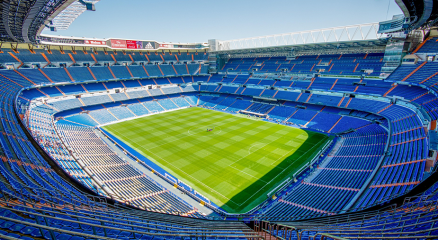
The 2026 FIFA World Cup will be a historic event, marking the first time the tournament is hosted by three countries: the United States, Canada, and Mexico. A total of 16 cities have been selected to host matches, with the majority taking place in the U.S. Notably, Mexico City's Estadio Azteca is set to host the opening match on June 11, 2026. The stadium is undergoing significant renovations to enhance facilities and increase capacity to 90,000 spectators. Expanded Tournament Format The 2026 World Cup will feature an expanded format with 48 teams, up from the previous 32. Teams will be divided into 12 groups of four, with the top two from each group, along with the eight best third-placed teams, advancing to a 32-team knockout stage. This expansion aims to increase global representation and competitiveness. High-Profile Managers Take the Helm A notable trend for the upcoming World Cup is the appointment of high-profile club managers to national teams. Carlo Ancelotti has taken charge of Brazil, while Thomas Tuchel leads England. Other prominent appointments include Julian Nagelsmann for Germany and Mauricio Pochettino for the USA. These strategic moves reflect a shift in the perception of international management roles, now seen as prestigious and impactful. Qualification Highlights The qualification rounds have produced some surprising results. Norway delivered a commanding 3-0 victory over Italy, significantly impacting Italy's qualification hopes. The match featured a notable celebration by Erling Haaland and Martin Ødegaard, paying homage to Arsenal legend Thierry Henry. Sustainability and Innovation Host cities are emphasising sustainability and technological innovation in their preparations. Initiatives include the integration of renewable energy sources, advanced waste management systems, and the implementation of smart stadium technologies to enhance the fan experience.