Across the United States, the culinary landscape is experiencing a dynamic transformation fueled by a growing interest in exotic foods and ingredients from every corner of the globe. This trend is reshaping menus in restaurants, inspiring home cooks, and encouraging chefs to experiment with bold new flavors that excite the adventurous American palate. In major cities like New York, Los Angeles, and Miami, diners are increasingly seeking out unique culinary experiences that introduce them to ingredients and dishes they may never have encountered before. Exotic foods such as sea cucumbers, jackfruit, edible flowers, and fermented delicacies are no longer niche items but are becoming popular staples in many trendy eateries.
One notable example is the rise of jackfruit as a versatile plant-based meat alternative. Native to South and Southeast Asia, jackfruit’s texture and ability to absorb spices make it a popular substitute in vegan and vegetarian versions of traditional meat dishes like pulled pork sandwiches and tacos. Its popularity has surged due to growing consumer awareness of plant-based diets and sustainability concerns. Fermented foods, long celebrated in many Asian and European cultures, are also gaining ground in the U.S. market. Items like kimchi, natto, and miso are prized for their health benefits, particularly for gut health, and are now common in fusion dishes and health-conscious menus. Restaurants often feature kimchi fried rice, miso-glazed fish, and natto-inspired sauces, blending tradition with modern culinary innovation.
Edible flowers and herbs are another exotic trend adding color and aroma to dishes. Flowers like nasturtiums, violets, and marigolds are used to garnish salads, desserts, and cocktails, elevating the dining experience visually and gastronomically. Mixologists have also embraced exotic botanicals to create unique flavor profiles in craft cocktails. Seafood lovers are exploring exotic species such as octopus, sea urchin, and abalone, which are prized for their delicate flavors and textures. These ingredients are often featured in high-end sushi bars and seafood restaurants, attracting diners eager to try luxurious and uncommon delicacies.
Food festivals celebrating international cuisine have become platforms for showcasing exotic food trends. Events such as the “Global Taste Fest” in Los Angeles highlight dishes from Africa, South America, and Asia, giving Americans a chance to experience authentic flavors prepared by chefs from those regions. These festivals foster cultural appreciation and promote the diversity of the American food scene. Despite the excitement around exotic foods, experts caution that consumers should be mindful of sourcing and preparation. Sustainable harvesting and ethical practices are critical to ensuring these ingredients remain available without harming ecosystems. Moreover, proper preparation is necessary to ensure safety, as some exotic foods require special handling or cooking techniques.
Retailers have responded to demand by expanding the availability of exotic ingredients through specialty markets and online stores. This accessibility enables home cooks to experiment with recipes inspired by global cuisines, further integrating exotic foods into everyday American cooking. The enthusiasm for exotic foods aligns with broader trends emphasizing culinary adventure, wellness, and sustainability. As Americans continue to explore new tastes and traditions, the food industry is poised to innovate, blending heritage with contemporary preferences to create exciting new dining experiences.
For those eager to try exotic foods, food experts recommend starting with small portions and trusted establishments that prioritize quality and authenticity. Cooking classes and cultural food tours can provide valuable insights into the origins and proper preparation of these ingredients, making the culinary journey both enjoyable and educational.As the appetite for exotic foods grows, the American culinary scene will likely become even more vibrant and diverse, offering endless opportunities for discovery and enjoyment.

Navigating the Frontier of AI Tools and Automation: Challenges and Importance in Today's World

Demographic Shifts in the United States: A Changing Nation Over Time

Global Stock Markets Mixed Amid Inflation Worries and Earnings Reports

Supreme Court Ruling on Presidential Immunity Sparks Nationwide Debate

Tensions and Conflict Define Recent Months In the last few months, the global political landscape



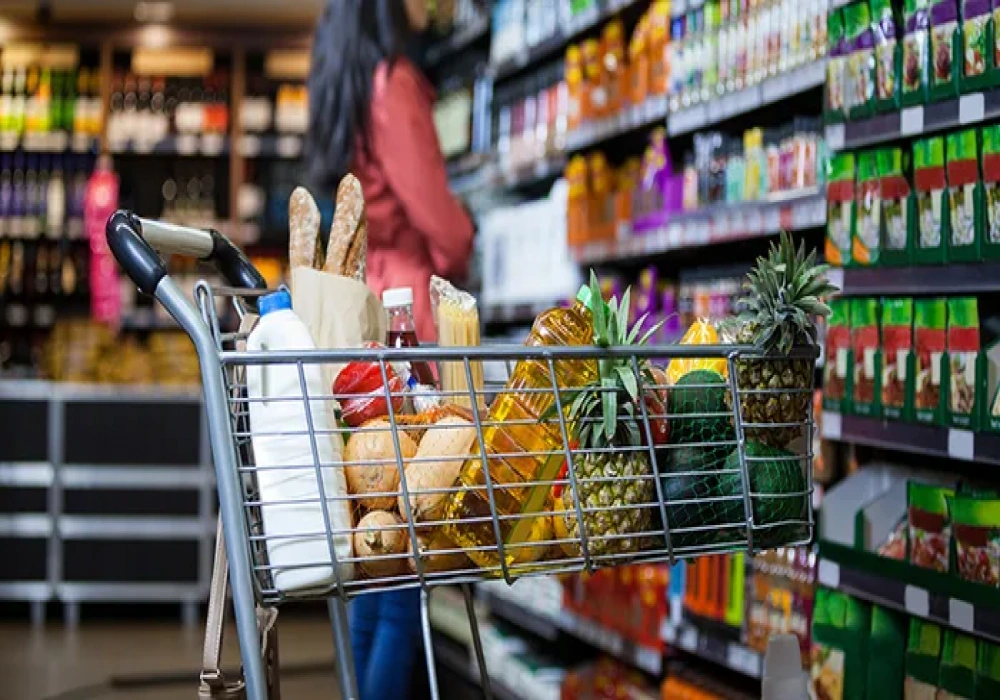
As grocery bills climb to record highs across continents, families are being forced to make painful choices. From Dhaka to Detroit, rising food prices have become a universal hardship, driven by a tangled web of global supply chain bottlenecks, extreme climate events, and geopolitical turmoil. Recent figures from the United Nations Food and Agriculture Organization (FAO) show that global food prices have risen nearly 23% year-over-year, marking one of the sharpest spikes in over a decade. Essential staples such as rice, wheat, cooking oil, and dairy are at the center of the storm, with developing economies bearing the worst of the impact. Food Inflation Snapshot: Category-Wise Price Surge Food Category Avg. Global Price Increase (12 Months) Key Drivers Grains (Rice, Wheat) +18% War in Ukraine, export bans Vegetables +25% Floods, droughts, labor shortages Dairy Products +15% High feed prices, energy costs Meat (Beef, Poultry) +22% Feed supply shortage, transport delays Cooking Oil +30% Indonesia’s ban, climate disasters What’s Causing the Crunch? 1. Supply Chain Disruptions COVID-19 aftershocks are still rippling through global logistics. Freight backlogs at ports, lack of refrigerated containers, and strikes among transport workers have delayed food delivery worldwide. “Even if you have food ready to ship, getting it from farm to table is twice as expensive and twice as slow,” says Prof. Arun Mitra, an economist at the University of Melbourne. 2. Geopolitical Tensions The Russia–Ukraine war has disrupted grain exports from two of the world’s largest producers. Together, they account for over 30% of the global wheat supply. Trade sanctions and naval blockades have further restricted shipments. Meanwhile, India’s curbs on rice exports to control domestic prices have squeezed markets across Africa and Southeast Asia. 3. Climate Change and Natural Disasters Flooding in Pakistan and Bangladesh wiped out rice and vegetable crops. Droughts in the Horn of Africa and heatwaves in Europe and Canada reduced wheat and maize yields. Wildfires in South America damaged farmland and disrupted coffee and soybean supply chains. 4. Currency Depreciation For many nations, the value of local currency has plummeted against the US dollar, making food imports even more expensive. In Bangladesh, the taka has lost nearly 18% of its value in two years, making oil, lentils, and dairy imports costlier than ever before. On the Ground: How Families Are Coping Rokeya Begum, a 39-year-old garment worker in Narayanganj, says, “Last year, I could afford fish three times a week. Now it’s once, maybe twice. Eggs and vegetables are also becoming luxuries.” In the U.S., middle-class families are increasingly relying on bulk-buying clubs and discount stores, while food bank demand is up 27% from the previous year. Across Africa, millions face the risk of acute food insecurity, with humanitarian agencies calling for urgent international aid. According to World Food Programme (WFP), over 345 million people globally are now experiencing "acute hunger", up from 282 million last year. What’s Being Done? Food subsidies in countries like Egypt, Indonesia, and Bangladesh. Price caps on essentials like onions, flour, and edible oils. Cash support to vulnerable families via mobile wallets. Investing in climate-resilient agriculture. Building regional food reserves to withstand export shocks. Strengthening infrastructure for cold chains and food storage. Diversifying trade routes and food sources. Expert Voices “Without bold reforms and global coordination, we risk food inflation becoming the new normal,” says Dr. Momena Alam of BRAC University’s Food Security Research Centre. “Poorer nations will suffer disproportionately. We must treat food not just as a market product but as a human right,” adds David Nabarro, WHO Special Envoy on Food Systems. The Road Ahead: Key Questions Will weather conditions stabilize in key growing regions? Can trade wars and protectionism be dialed back? How fast can logistics networks be rebuilt? Will richer nations support the food needs of vulnerable economies? Until these answers emerge, global households will continue to face a painful question at the checkout counter: How much food can I afford today?




In recent years, American food lovers have been embracing an ever-growing fascination with exotic and unusual foods from around the world. From edible insects to rare fruits and unique seafood delicacies, adventurous diners in cities across the United States are seeking out new flavors and culinary experiences that challenge the traditional palate. Restaurants specializing in exotic cuisine have been popping up in metropolitan areas such as New York, Los Angeles, Miami, and Chicago, attracting food enthusiasts eager to try dishes that go beyond the familiar. According to a recent survey by the National Restaurant Association, nearly 40% of American diners say they are willing to try exotic foods at least once a year, and that number has steadily increased over the past decade. One of the most talked-about trends is the inclusion of insects, often referred to as “entomophagy,” in gourmet dishes. Crickets, mealworms, and grasshoppers are being incorporated into protein bars, snacks, and even fine dining menus. Nutritionists praise insects for their high protein content, sustainability, and low environmental impact compared to traditional livestock. Chefs like Alex Gomez of “Bug Bistro” in San Francisco have been pioneering creative recipes such as cricket flour pancakes and roasted grasshopper tacos, which are surprisingly well received. Exotic fruits and vegetables have also gained popularity among health-conscious consumers. Ingredients like dragon fruit, durian, rambutan, and black garlic are making their way into smoothies, salads, and sauces. These ingredients are not only valued for their unique flavors but also for their high antioxidant and vitamin content. Specialty grocery stores and farmers’ markets now regularly stock these items, making them more accessible to the average consumer.Seafood lovers are discovering unusual catches such as sea urchin, geoduck clam, and monkfish liver, often regarded as delicacies in Asian and European cuisines. High-end sushi restaurants are especially known for featuring these rare ingredients, drawing patrons willing to pay premium prices for an authentic taste of the exotic. The growing curiosity about global flavors has also spurred the rise of fusion cuisine, where chefs blend traditional recipes from different cultures to create innovative dishes. For instance, Korean-Mexican tacos and Indian-Italian pizzas are delighting customers with bold, unexpected flavor combinations.Food festivals celebrating exotic ingredients have become increasingly popular. Events like the “Exotic Eats Festival” in Miami showcase chefs and vendors who offer tastings of unusual dishes from across the globe. These festivals not only introduce people to new foods but also educate them about cultural traditions and sustainable food practices. While many consumers are eager to experiment, some express concerns about food safety and ethical sourcing. Experts emphasize the importance of ensuring that exotic ingredients are harvested sustainably and prepared hygienically to avoid health risks. Regulatory bodies are beginning to establish clearer guidelines to help both consumers and businesses navigate this emerging market. The fascination with exotic food reflects a broader trend toward culinary exploration and cultural exchange. As global travel resumes and digital media exposes people to diverse cuisines, the American dining scene continues to evolve with exciting new tastes. For adventurous eaters wanting to try exotic foods, experts recommend starting with well-reviewed restaurants and specialty food shops that source ingredients responsibly. Cooking classes and food tours are also popular ways to learn about preparation techniques and cultural contexts behind these unique dishes. With interest in exotic food showing no signs of slowing down, chefs and food entrepreneurs are likely to keep pushing the boundaries of flavor, creating an ever-more diverse and exciting culinary landscape in the United States.