In the age of smartphones and social media, photography is no longer just an art—it's a lifestyle. From school students in Rajshahi to digital nomads in Sylhet, people across Bangladesh are using photography as a form of self-expression, storytelling, and even activism.
What was once seen as a specialized skill is now a part of daily routine. Whether it's capturing street life with a mobile camera or doing portrait shoots with a DSLR, photography has become an essential language in modern life.
"Taking pictures used to be reserved for weddings and formal events," says Ahsan Habib, a 26-year-old freelance photographer. "Now, it’s a way of documenting emotions, sharing perspectives, and even earning a living."
Platforms like Instagram, Facebook, and even TikTok have turned photography into a cultural currency. A well-composed photo can go viral, inspire debate, or spark trends overnight.
In rural areas, mobile photography is bridging the gap between city and village, giving people a chance to share their stories with the world. In urban centers, photo walks and rooftop portrait sessions are becoming common weekend plans for youth.
"Photography has helped me become more aware of my surroundings," says Samira Akhtar, a university student in Dhaka. "Now I notice light, color, and emotion in the smallest things."
With the growing interest in visual content, many young Bangladeshis are turning their hobby into a side income. Wedding photography, product shoots for small businesses, and real estate photography are rising in demand.
Online platforms like Pathshala South Asian Media Institute and Udemy are offering courses on mobile photography, editing, and lighting techniques, making professional skills accessible to all.
Meanwhile, photo contests and exhibitions are encouraging creative youth to showcase their talent. Even NGOs and news agencies are hiring local photographers to capture raw, real-time moments in underrepresented communities.
Mental health professionals are now promoting photography as a therapeutic activity. "It helps people slow down and focus on the present moment," says Dr. Naimur Rahman, a psychologist. "Photography can reduce stress, build confidence, and improve emotional awareness."
With AI, drones, and 360° cameras entering the scene, the future of photography in Bangladesh is more exciting than ever. Yet, at its core, photography remains deeply human—a way to connect, remember, and feel.
As Ahsan puts it, "A photograph is not just a picture. It’s a voice without sound—and sometimes, it speaks louder than words."
Navigating the Frontier of AI Tools and Automation: Challenges and Importance in Today's World
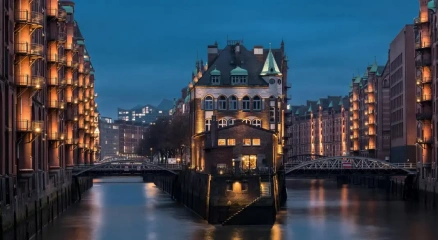
Demographic Shifts in the United States: A Changing Nation Over Time
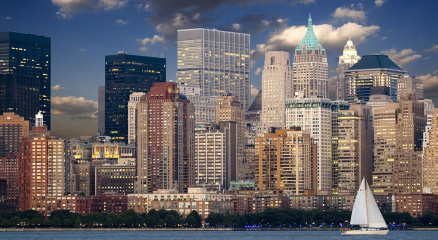
Supreme Court Ruling on Presidential Immunity Sparks Nationwide Debate
Global Stock Markets Mixed Amid Inflation Worries and Earnings Reports
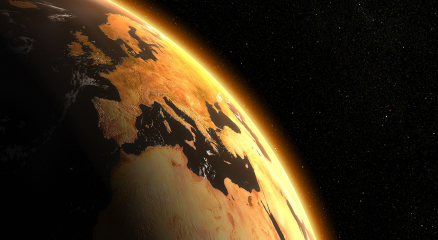
Tensions and Conflict Define Recent Months In the last few months, the global political landscape




In an increasingly visual world, photography has evolved far beyond a hobby—it has become a powerful tool of connection, identity, and even resistance. From the alleyways of Marrakech to the streets of Tokyo, people around the globe are using photography to capture their realities, share their truths, and reimagine how we see the world. In 2025, the art of photography is no longer limited to professionals or those with expensive equipment. With powerful cameras embedded in nearly every smartphone and editing apps accessible to all, the global population has become a generation of storytellers. New Language of Expression Photography has become the most universal visual language—transcending borders, politics, and even spoken words. A single image can spark movements, ignite conversations, and bring attention to marginalized voices. From the war-torn zones of Gaza and Ukraine to peaceful protests in Europe and climate marches in South America, everyday citizens are documenting history in real time. These raw, unfiltered images often make their way to global audiences faster than traditional news media. "The smartphone is the new pen," says French photojournalist Camille Laurent. "People don’t just take photos—they share their worldviews." The Rise of Visual Identity In cities like New York, Seoul, and Berlin, photography has become deeply intertwined with personal branding. On platforms like Instagram and Threads, visuals are the currency of influence. Whether it’s fashion, travel, activism, or mental health, photography is the lens through which individuals craft and project their identity. This has also sparked a global aesthetic—where minimalist cafes in Istanbul resemble those in Paris, and sunlit "golden hour" selfies are universal. Yet within this visual sameness, cultural uniqueness is also being celebrated. Photographers are reclaiming their heritage—using traditional attire, rural landscapes, and local rituals to tell stories that challenge stereotypes and global homogenization. AI, Ethics & The Future As artificial intelligence blends with photography, questions of ethics and authenticity are surfacing. AI-generated portraits and edited realities raise concerns about truth, body image, and media manipulation. Yet, at the same time, AI tools are empowering more people to create stunning visuals without formal training—democratizing creativity in ways never imagined. "We’re entering an era where the line between photography and digital art is blurring," notes Japanese visual artist Rei Nakamura. "But the emotion behind the image still matters most." A Global Bond In refugee camps in Jordan, schoolchildren are given disposable cameras to capture their lives. In Scandinavian forests, nature photographers use drones to document wildlife. On African coastlines, photographers are preserving indigenous stories that were never written down. Despite the diversity of context, one thing is clear: photography connects humanity. It offers empathy. It builds bridges. In the words of American photographer Dorothea Lange, "Photography takes an instant out of time, altering life by holding it still." And today, more than ever, the world is watching—frame by frame.
In an increasingly visual world, photography has evolved far beyond a hobby—it has become a powerful tool of connection, identity, and even resistance. From the alleyways of Marrakech to the streets of Tokyo, people around the globe are using photography to capture their realities, share their truths, and reimagine how we see the world. In 2025, the art of photography is no longer limited to professionals or those with expensive equipment. With powerful cameras embedded in nearly every smartphone and editing apps accessible to all, the global population has become a generation of storytellers. A New Language of Expression Photography has become the most universal visual language—transcending borders, politics, and even spoken words. A single image can spark movements, ignite conversations, and bring attention to marginalized voices.From the war-torn zones of Gaza and Ukraine to peaceful protests in Europe and climate marches in South America, everyday citizens are documenting history in real time. These raw, unfiltered images often make their way to global audiences faster than traditional news media."The smartphone is the new pen," says French photojournalist Camille Laurent. "People don’t just take photos—they share their worldviews." The Rise of Visual Identity In cities like New York, Seoul, and Berlin, photography has become deeply intertwined with personal branding. On platforms like Instagram and Threads, visuals are the currency of influence. Whether it’s fashion, travel, activism, or mental health, photography is the lens through which individuals craft and project their identity. This has also sparked a global aesthetic—where minimalist cafes in Istanbul resemble those in Paris, and sunlit "golden hour" selfies are universal. Yet within this visual sameness, cultural uniqueness is also being celebrated. Photographers are reclaiming their heritage—using traditional attire, rural landscapes, and local rituals to tell stories that challenge stereotypes and global homogenization. AI, Ethics & The Future As artificial intelligence blends with photography, questions of ethics and authenticity are surfacing. AI-generated portraits and edited realities raise concerns about truth, body image, and media manipulation. Yet, at the same time, AI tools are empowering more people to create stunning visuals without formal training—democratizing creativity in ways never imagined. "We’re entering an era where the line between photography and digital art is blurring," notes Japanese visual artist Rei Nakamura. "But the emotion behind the image still matters most." A Global Bond In refugee camps in Jordan, schoolchildren are given disposable cameras to capture their lives. In Scandinavian forests, nature photographers use drones to document wildlife. On African coastlines, photographers are preserving indigenous stories that were never written down. Despite the diversity of context, one thing is clear: photography connects humanity. It offers empathy. It builds bridges. In the words of American photographer Dorothea Lange, "Photography takes an instant out of time, altering life by holding it still." And today, more than ever, the world is watching—frame by frame.

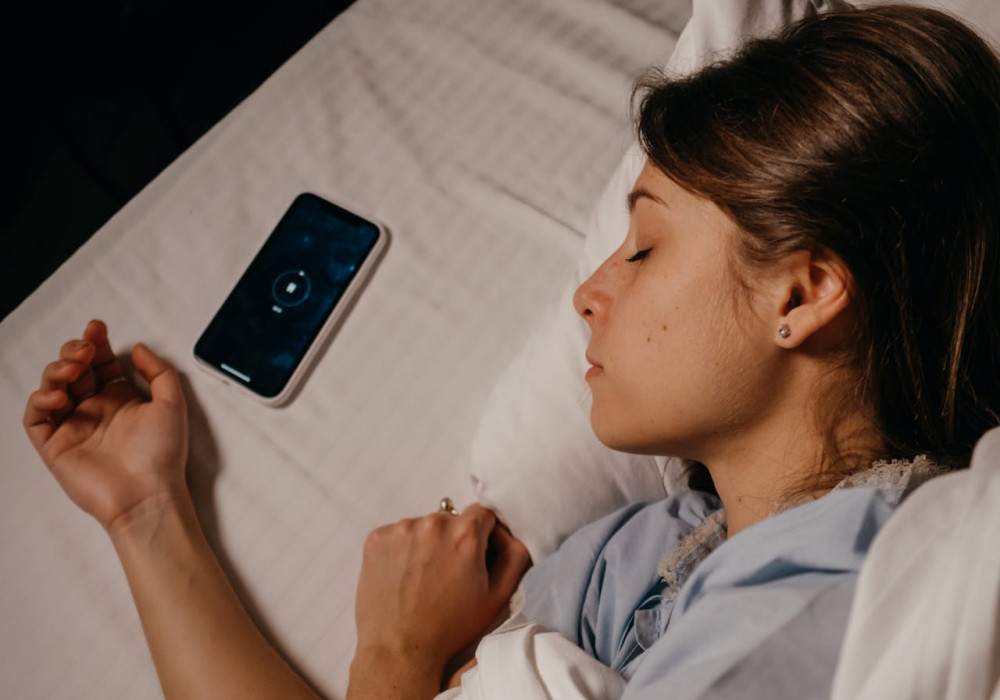
In today’s always-connected world, the concept of stepping away from digital devices has shifted from being a personal challenge to a luxury escape. More people, particularly high-earning professionals and frequent travelers, are now paying for the privilege of disconnecting. The digital detox—once a self-help buzzword—is becoming a high-end experience, offered by luxury resorts, remote lodges, and boutique wellness retreats.The demand for these escapes is growing because digital fatigue is real. On average, individuals check their smartphones over 100 times a day. Between emails, social media notifications, and constant pings from work chats, the pressure to remain available 24/7 is taking a toll on mental health. Many people report burnout, poor sleep, heightened anxiety, and even physical issues like eye strain and poor posture. As awareness grows around these effects, so too does the desire to unplug. Luxury hotels and retreat centers have taken notice. Instead of offering high-speed internet and smart TVs, these places are marketing silence, nature, and disconnection. Some resorts go as far as taking guests’ phones at check-in, offering lockboxes to prevent temptation. Others are located in areas without cell reception altogether, making digital access physically impossible. These experiences are no longer considered basic—they are seen as indulgent, even elite. This trend speaks to a broader cultural shift. In the past, luxury was defined by what you could access—fast internet, instant communication, high-tech devices. Now, it’s also about what you can avoid. To be unreachable, to have no signal, and to spend days without checking emails or social media updates has become a form of status. In fact, telling people you had no Wi-Fi on your vacation is almost a humblebrag in some circles. Aside from the appeal of exclusivity, digital detoxes offer real psychological benefits. People often report improved focus, reduced stress, better sleep, and deeper conversations with travel companions. Without the distraction of screens, guests reconnect with their surroundings, their thoughts, and each other. Even a short break—48 to 72 hours—can reset mental clarity and refresh energy levels. Many people return home more creative, more centered, and more in control of their digital habits. The rise of digital detox as a premium service also ties into the growing wellness economy. Alongside yoga, meditation, and clean eating, digital well-being is now a pillar of a healthy lifestyle. Wellness retreats and spas increasingly include offline activities such as journaling, hiking, forest bathing, or silent meals. The idea is not just to escape technology but to re-learn how to be present without it. Ultimately, digital detox is more than a travel trend—it’s a reflection of changing values. In an age where everything is optimized, connected, and efficient, choosing to slow down and unplug is not a step backward. It’s a deliberate, often expensive, choice to reclaim time, space, and peace of mind. In 2025, luxury is no longer about having everything—it’s about knowing when to shut it all off.